
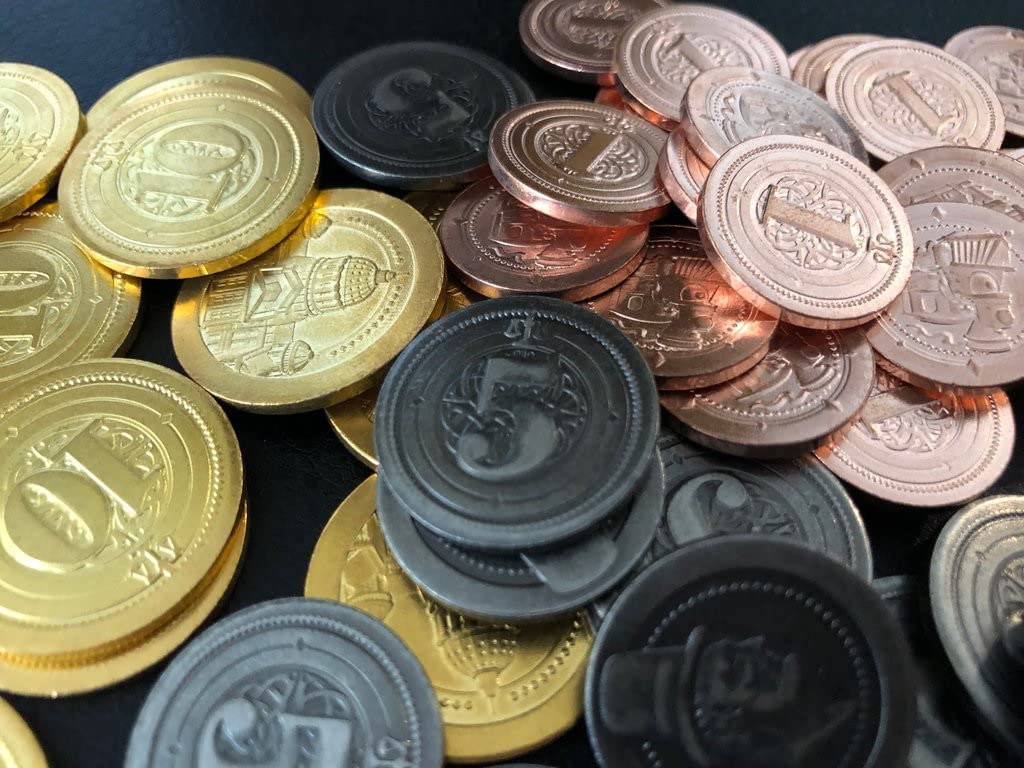
The key is simple: coins must feel earnable, meaningful, and easy to understand. If they look like a gimmick or have unclear value, people stop caring fast.
What are “game coins” in a marketing context?
In marketing, Game Coins are a points-style currency people earn for actions a brand wants to encourage. They can be earned, collected, spent, or saved towards rewards, perks, or status.
Unlike generic loyalty points, coins usually come with game mechanics such as streaks, quests, levels, and limited-time boosts. That framing makes progress feel visible and motivating.
Why do game coins work better than standard loyalty points?
They work because they make effort feel like progress. Coins turn small actions into immediate feedback, which keeps users moving.
They also help brands shape behaviour without heavy discounting. Instead of giving money off right away, coins can unlock access, convenience, or recognition, which often feels more valuable than a small price cut.
How can brands use coins to drive repeat purchases?
Brands can award coins per purchase, but the creative win is in how coins stack. For example, they can offer bonus coins for buying within seven days, completing a bundle, or trying a new category.
Coins can also power “save and spend” moments. A customer might spend coins on free delivery, early access, or a gift, which brings them back sooner than a standard points scheme.
How can coins make content marketing more interactive?
Coins can reward reading, watching, and learning in a way that feels optional, not forced. A brand can offer coins for completing a short series, finishing a tutorial, or passing a quick quiz.
This works especially well for complex products. Coins provide a gentle reason to engage with helpful content, while the brand gains attention and better-informed customers.
How can coins boost referrals without feeling spammy?
Coins can make referrals feel like a shared win rather than a cash grab. Instead of “give £10 get £10”, they can offer coins to both sides that unlock a perk or limited reward.
A good approach is tiered rewards. One referral earns starter coins, three referrals unlock a bigger benefit, and five referrals unlock a status badge or exclusive drop.
How can coins improve product launches and limited drops?
Coins can act like a launch currency that makes participation feel like a game. People can earn coins before the launch by joining a waitlist, sharing preferences, or engaging with teaser content.
On launch day, coins can unlock early access windows, reserved stock, or add-ons. This reduces pure speed competition and gives loyal followers a fairer route in.
How can coins be used in email and SMS campaigns?
Coins give messages a clear reason to open and act. Instead of “sale ends tonight”, the message can be “claim 50 coins before midnight” with a simple action.
They can also support streaks. A brand might reward a weekly check-in, a monthly account review, or a recurring habit, while keeping the message short and outcome-focused.
How can coins power community building and UGC?
Coins can reward helpful behaviour in a community. For example, posting a review, answering questions, sharing a photo, or submitting a tip can earn coins.
The reward does not have to be big. Coins that unlock recognition, profile flair, or access to insiders often outperform cash-like incentives because they feel tied to belonging.
How can coins help collect zero party data more ethically?
Coins can be offered in exchange for preferences, sizes, interests, or goals, as long as the value exchange is explicit. People are more willing to share when they know why the brand is asking and what they get back.
A strong pattern is progressive profiling. Each small data share earns coins, and over time the brand builds better personalisation without a single long form.
How can coins be used to reduce discount dependency?
Coins can replace constant coupons with a more controlled reward system. Instead of blanket discounts, coins can unlock benefits that do not crush margins, like free returns, faster shipping, or priority support.
They can also be used as “soft value”. Coins can feel like money, but the brand controls where and when they can be spent.
What are the biggest mistakes brands make with game coins?
The biggest mistake is unclear value. If people cannot quickly understand how to earn and spend coins, they will ignore them.
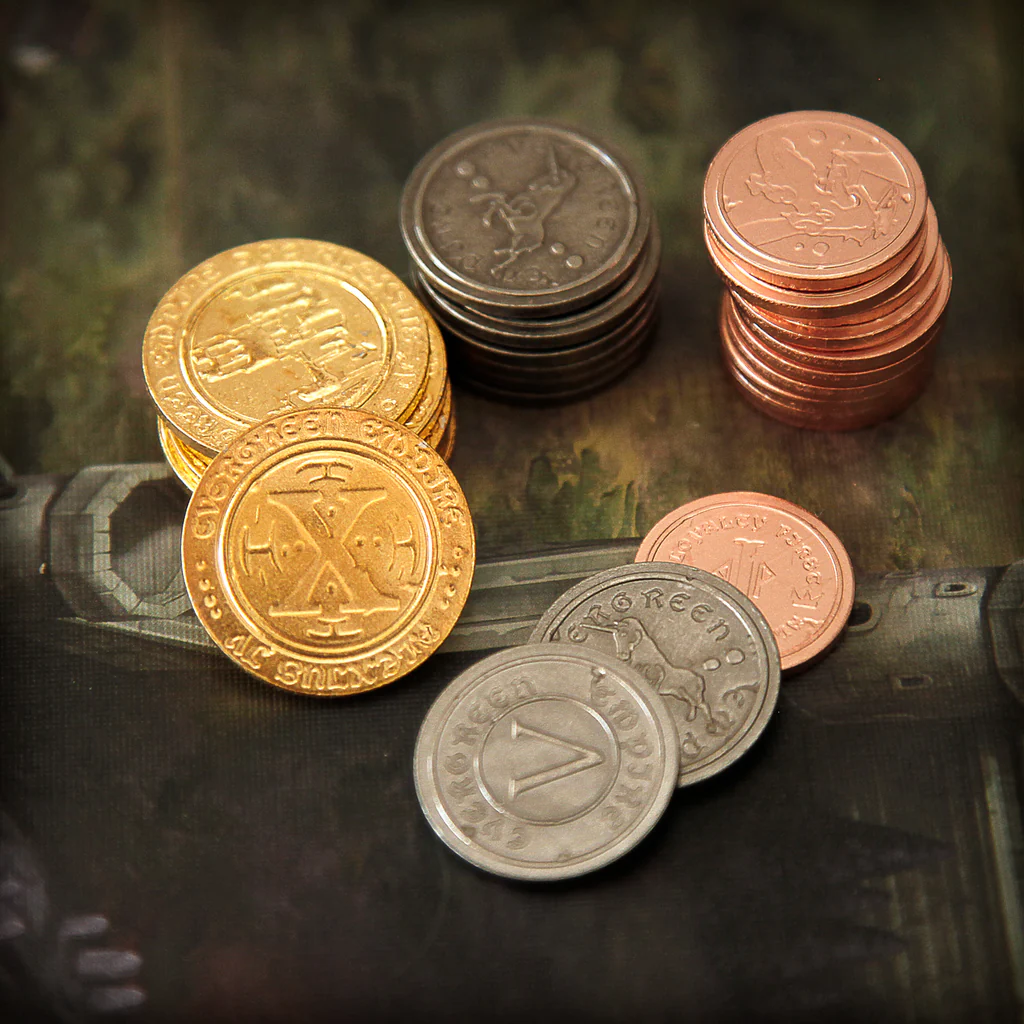
Another common mistake is inflation. If coins are too easy to get or rewards are too expensive, trust breaks. Coins should feel consistent, and the best rewards should feel achievable with steady effort. See using custom coins in promotional campaigns.
How can a brand start with coins without overcomplicating it?
They should start with one earning loop and one spending loop. For example, earn coins for purchases and reviews, then spend coins on shipping or small rewards.
They should also keep the rules visible. A simple wallet, a progress bar, and a clear rewards page will do more than complicated mechanics that nobody learns.
FAQs (Frequently Asked Questions)
What are game coins in marketing and how do they differ from standard loyalty points?
In marketing, game coins are a points-style currency that customers earn for actions brands want to encourage. Unlike generic loyalty points, game coins incorporate game mechanics such as streaks, quests, levels, and limited-time boosts, making progress visible and motivating. This gamified approach turns small actions into immediate feedback, enhancing engagement beyond traditional loyalty schemes.
Why do game coins effectively drive customer behaviour and repeat purchases?
Game coins work by making effort feel like tangible progress, which keeps users motivated to continue engaging. They help brands shape behaviour without relying heavily on discounts by unlocking access, convenience, or recognition—benefits often perceived as more valuable than direct price cuts. Additionally, stacking coins through bonus rewards for timely purchases or completing bundles encourages repeat buying and deeper brand interaction.
How can brands use game coins to enhance content marketing and customer education?
Brands can reward customers with coins for engaging with content such as reading articles, watching videos, completing tutorials, or passing quizzes. This approach makes learning feel optional and rewarding rather than forced. Particularly for complex products, coins provide a gentle incentive to engage with helpful content while increasing customer awareness and informed decision-making.
In what ways can game coins boost referrals without appearing spammy?
Coins can transform referrals into a shared win by offering rewards that unlock perks or exclusive items rather than just monetary incentives. Implementing tiered rewards—such as starter coins for one referral, bigger benefits for three referrals, and status badges or exclusive drops for five—creates ongoing motivation while maintaining authenticity and reducing the feeling of spam.
How do game coins improve product launches and limited edition drops?
Coins act as a launch currency that gamifies participation. Customers can earn coins before a launch by joining waitlists or engaging with teaser content. On launch day, these coins unlock early access windows, reserved stock, or add-ons. This system reduces the pressure of speed competition and offers loyal followers a fairer chance to participate in exclusive releases.
What are common mistakes brands make when implementing game coin systems and how can they avoid them?
The biggest mistakes include unclear value propositions where customers don’t understand how to earn or spend coins, leading to disengagement. Another is coin inflation—making coins too easy to earn or rewards too costly—which undermines trust. Brands should ensure coin value is consistent and rewards are achievable through steady effort. Starting simple with one earning loop and one spending loop while keeping rules transparent helps avoid overcomplication.