
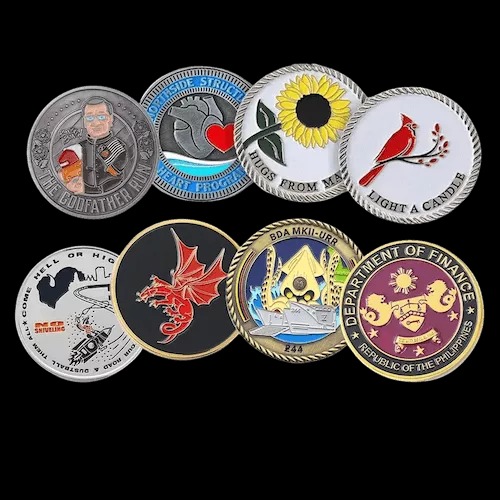
They also work well in person, where a tangible token can cut through noise and create a small moment of ceremony.
Why do custom coins work so well as promotional items?
Custom Coins feel like value, even when the cost to produce is modest. A coin has weight, texture, and permanence, which makes the reward feel more real than a digital badge or email voucher.
They also invite collection. Once someone has one coin, they are more likely to want the set, which naturally supports repeat visits and repeat purchases.
How are custom coins used to drive footfall and event engagement?
Brands hand coins out for attendance, check-ins, demos, or completing an activity. The coin becomes proof of participation and a reason to visit a stand, a store, or a pop-up.
They are also used as “entry tokens” for prize wheels, raffles, or limited experiences. That simple exchange can increase dwell time and make the event feel more interactive.
How do coins fit into loyalty programmes without replacing points?
Coins often sit alongside points as a physical layer of recognition. Points handle the maths, while a coin marks the moment, such as a first purchase, a milestone, or a VIP tier upgrade.
Some programmes use coins as “redemption accelerators”, where presenting a coin unlocks bonus points, double stamps, or a one-time perk. That keeps the existing system intact while making it feel more personal.
What customer behaviours can coins reward in a campaign?
They can reward behaviours beyond spending, which is useful when a brand wants broader engagement. Examples include referrals, product reviews, social shares, training completion, or trying a new category.
Because the reward is physical, it also suits actions that happen offline. A coin can be given for attending a workshop, bringing in packaging for recycling, or completing a community challenge.
How do brands use coins to create tiered status and VIP experiences?
A coin can act as a status marker that staff can recognise instantly. Different finishes, colours, or edge patterns can signify tiers, such as bronze, silver, and gold, without needing an app scan.
Coins also unlock access. A “member coin” might grant priority seating, a private tasting, a concierge queue, or early product access, which can feel more exclusive than a generic membership card.
How are coins used as limited editions to trigger urgency?
Limited runs turn a promotion into a hunt. Brands release coins tied to seasons, product drops, store openings, or collaborations, then make them available only during a short window.
This approach encourages earlier action and repeat visits. If each location has a slightly different coin, it can also motivate travel between stores, which is useful for chains or city-wide activations.
How do custom coins support partnerships and co-branded promotions?
Coins work well when two brands share an audience and want a joint offer. A co-branded coin can be collected at one partner and redeemed at the other, which drives cross-traffic.
They also make partnerships feel more legitimate. A physical token signals that the collaboration is “real”, not just a landing page and a promo code.
How can coins be redeemed in-store or online without friction?
In-store, redemption can be as simple as presenting the coin at checkout for a pre-defined perk. Staff training matters here, because speed and consistency make the token feel trustworthy.
Online, brands typically pair coins with a printed code, a QR, or a unique serial number that unlocks an offer. The best setups keep the rules simple and limit steps, so the coin remains the hero.
What role does design play in making a coin feel valuable?
Design signals meaning. A coin that looks like a cheap giveaway will be treated like one, while a well-designed coin can be kept for years and shown to others.
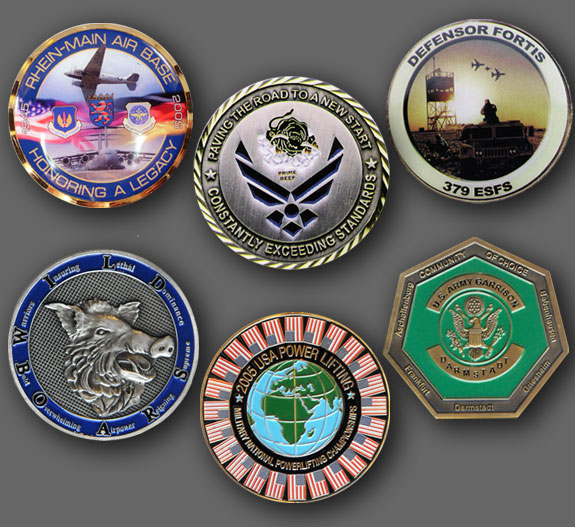
Small choices matter: thickness, raised elements, enamel fills, edge style, and packaging. Clear iconography also helps, so the coin communicates “member”, “challenge complete”, or “VIP” without explanation. See how businesses use custom game coins in marketing.
How do brands prevent fraud or misuse in coin-based campaigns?
They reduce risk by controlling scarcity and adding verification features. Serial numbers, unique edge marks, colour-shifting enamel, or embedded NFC can make copying harder.
Rules also help. Brands can limit redemptions per person, set expiry dates for promotional coins, or require an additional step such as a receipt match or account link for high-value rewards.
How should a campaign measure success when using custom coins?
They track distribution, redemption, and repeat behaviour. A strong campaign does not just give coins away; it ties them to a measurable action, like a visit, a purchase, or a referral.
They can also measure qualitative impact. If customers post the coin, ask staff about it, or keep it on display, it is doing brand work that a normal discount never achieves.
What are common mistakes to avoid with promotional and loyalty coins?
A common mistake is making the reward unclear. If customers do not instantly understand what the coin does, it becomes clutter rather than currency.
Another mistake is overcomplicating redemption. Too many steps, staff confusion, or inconsistent rules can kill trust quickly. Coins work best when the offer is simple, the moment is special, and the experience is smooth.
How can brands get started with a simple coin-based loyalty idea?
They can start with a single milestone coin, such as “first visit” or “third purchase”, with one clear perk attached. This tests operational flow, staff training, and customer response without major complexity.
If it works, they can expand into a small series, add tiers, or introduce limited editions. The goal is to build collectability and meaning over time, not to overwhelm customers on day one.
FAQs (Frequently Asked Questions)
Why are custom coins effective promotional items for brands?
Custom coins are effective because they offer a tangible, collectible reward that feels valuable due to their weight, texture, and permanence. Unlike digital badges or vouchers, coins make rewards feel more real and invite collection, encouraging repeat visits and purchases.
How do custom coins enhance event engagement and drive footfall?
Brands distribute coins for attendance, check-ins, demos, or activities, making the coin proof of participation and a reason to visit physical locations like stores or pop-ups. Coins also serve as entry tokens for prize wheels or raffles, increasing dwell time and making events more interactive.
In what ways can custom coins complement loyalty programmes without replacing points?
Coins act as a physical layer of recognition alongside points, marking milestones such as first purchases or VIP upgrades. They can also serve as redemption accelerators by unlocking bonus points or perks when presented, thus personalising the experience while maintaining the existing points system.
What types of customer behaviours can be rewarded using custom coins in marketing campaigns?
Custom coins can reward a wide range of behaviours beyond spending, including referrals, product reviews, social shares, training completion, trying new categories, attending workshops, recycling packaging, or completing community challenges. Their physical nature suits offline actions effectively.
How do brands use custom coins to create tiered status symbols and VIP experiences?
Different finishes, colours, or edge patterns on coins signify tiers like bronze, silver, and gold that staff can instantly recognise without scanning apps. Coins grant access to exclusive perks such as priority seating or early product releases, enhancing exclusivity beyond generic membership cards.
What design elements make a custom coin feel valuable and meaningful to customers?
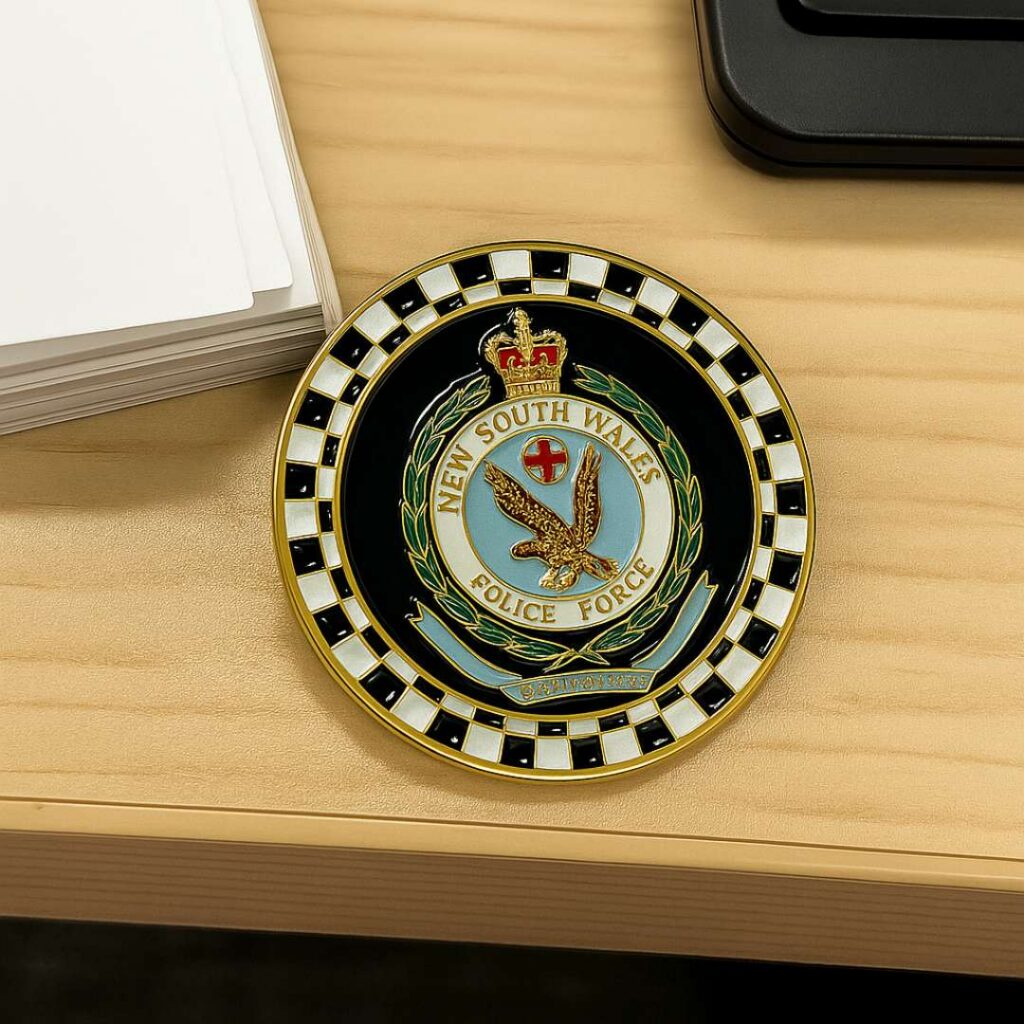
Design plays a crucial role; factors like thickness, raised elements, enamel fills, edge styles, and quality packaging signal value. Clear iconography helps communicate the coin’s purpose—such as membership or challenge completion—instantly enhancing its perceived worth and collectability.